
During the meeting, the researcher of the ULL coordinator of the scientific work on radon in La Palma, Candelaria Martín, explained that “according to the results obtained so far by her team -formed by researchers from the FIMERALL Laboratory and the Department of Animal Biology, Edaphology and Geology -, the radon concentration values measured on this island are, in general, low, with an average value of less than 80 Bq/m3”. “Although the 2021 eruption had an impact on background values related to radon activity concentrations in the Aridane Valley area, observing higher radon values in homes located closer to the volcano, monitoring these values over the following years has shown a significant decrease in control points,” he said.
Specifically, in measurements carried out in 2024-2025, “only less than 4% of the 131 points analyzed (5 locations) presented concentrations of radon on an annual average greater than 300 Bq/m3 - the reference level from which it is recommended to adopt remediation measures such as adequate ventilation, crack sealing, waterproofing, installation of anti-radon membranes, etc. In these five locations, either the appropriate measures have already been adopted or correspond to commercial premises that, being affected by high concentrations of CO2, remain closed and disused,” clarified the researcher.
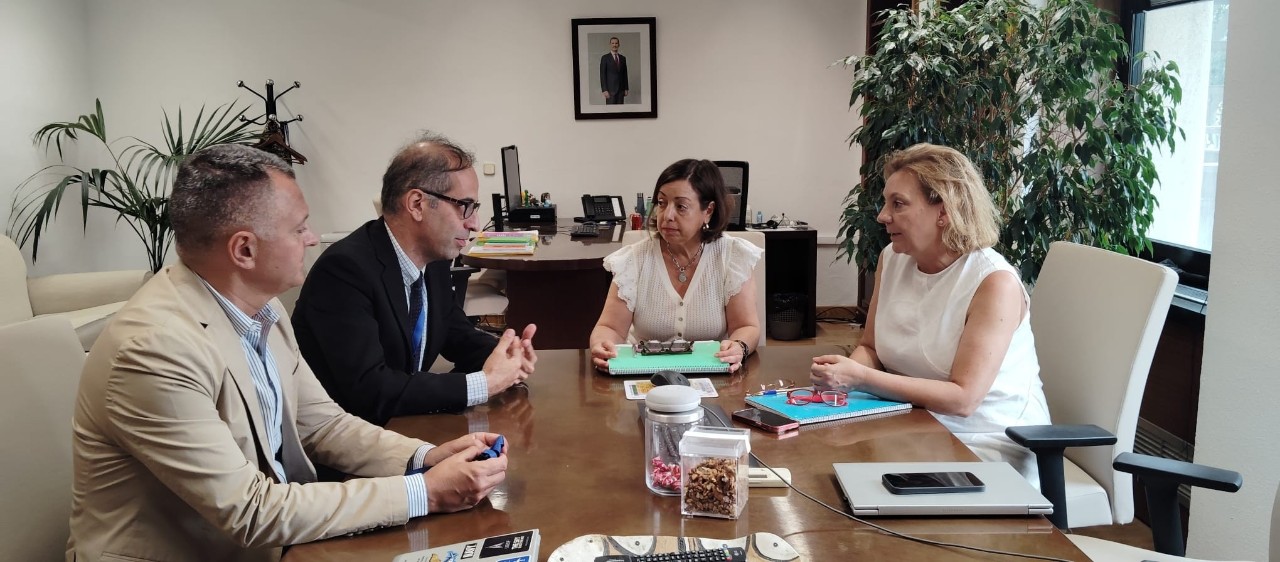
The meeting was attended by the technical director of Radiological Protection of the CSN, Isabel Villanueva, the deputy director of Environmental Radiological Protection, Inmaculada Simón and the director of the Office of the Commissioner for the Reconstruction of La Palma, José Manuel Monge. Also, the aforementioned ULL researcher, Candelaria Martín, the Vice-Minister of Emergencies of the Government of the Canary Islands, Marcos Lorenzo and the island director of Economic and Social Recovery of La Palma del Cabildo Insular, Matilde Fleitas, spoke by videoconference.
The Nuclear Safety Council recalled that radon is a gas of natural origin, usually present in practically all soils and rocks as a result of the natural disintegration of uranium. Its presence is not exclusively associated with volcanic activity, but depends mainly on the geology of the terrain, being especially frequent in areas with an abundance of granite or slate. The CSN, the only competent body in Spain in the field of nuclear safety and radiological protection, has issued regulations establishing guidelines for radon measurements in the indoor air of workplaces with risk of exposure to radon, authorizes radiological protection units and services to provide technical advice in the field of natural radiation, and supervises and controls work activities with risk of exposure to radon to ensure compliance with the regulations in this field, as well as collaborates with the Ministry of Health within the framework of the National Plan Committee against radon.