
In 1975, Spain began a long and difficult road to regain freedom and democracy. In 2025, 50 years later, we remember the beginning of that collective success and we celebrate the prosperous, plural and democratic country in which we have become.
Other monographs of Democratic Memory
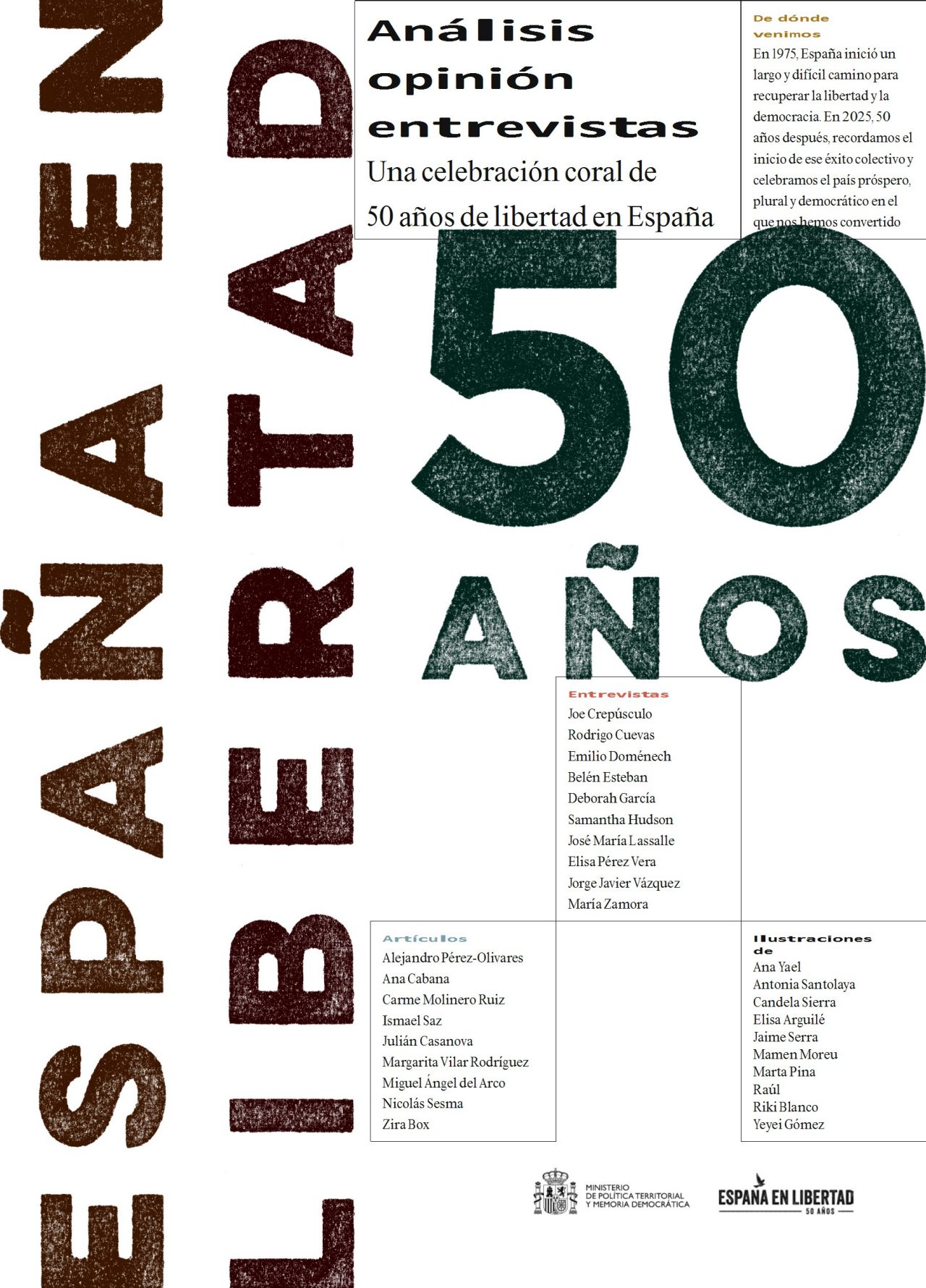
Spain in freedom. 50 years
1945. Libération: Behind the footprint of La Diez and its men
The Nine was the company of the French army composed mainly of Spanish Republican exiles who participated decisively in the liberation of Paris and continued to fight until the defeat of Nazism. But its history is a particularly eloquent example of the dynamics of silence.
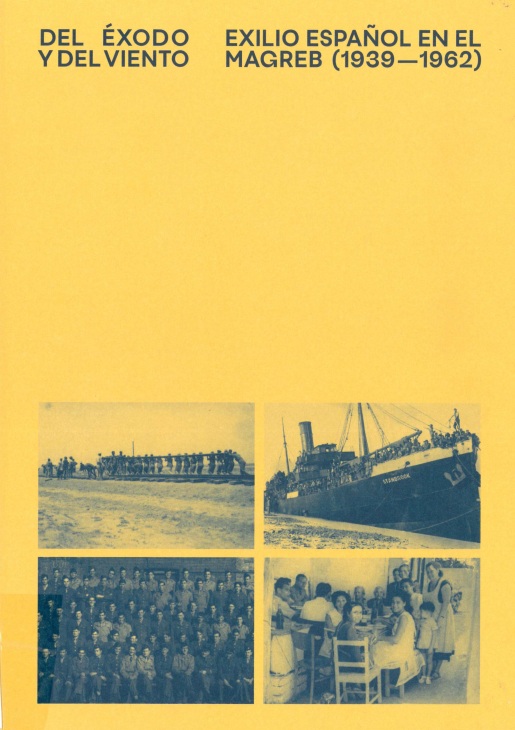
Of the exodus and the wind. Spanish exile in the Maghreb (1939-1962)
The account of the Spanish republican exile is still manifestly incomplete. Much has been written and spoken about the Mexican or French exile, but the odyssey lived by the nearly 13,000 men, women and children who, in March 1939, crossed the Mediterranean into the French colonial territories of North Africa was unjustly and unjustifiably ignored or relegated to the background. This former position helps to pay off, at last, this historical debt.
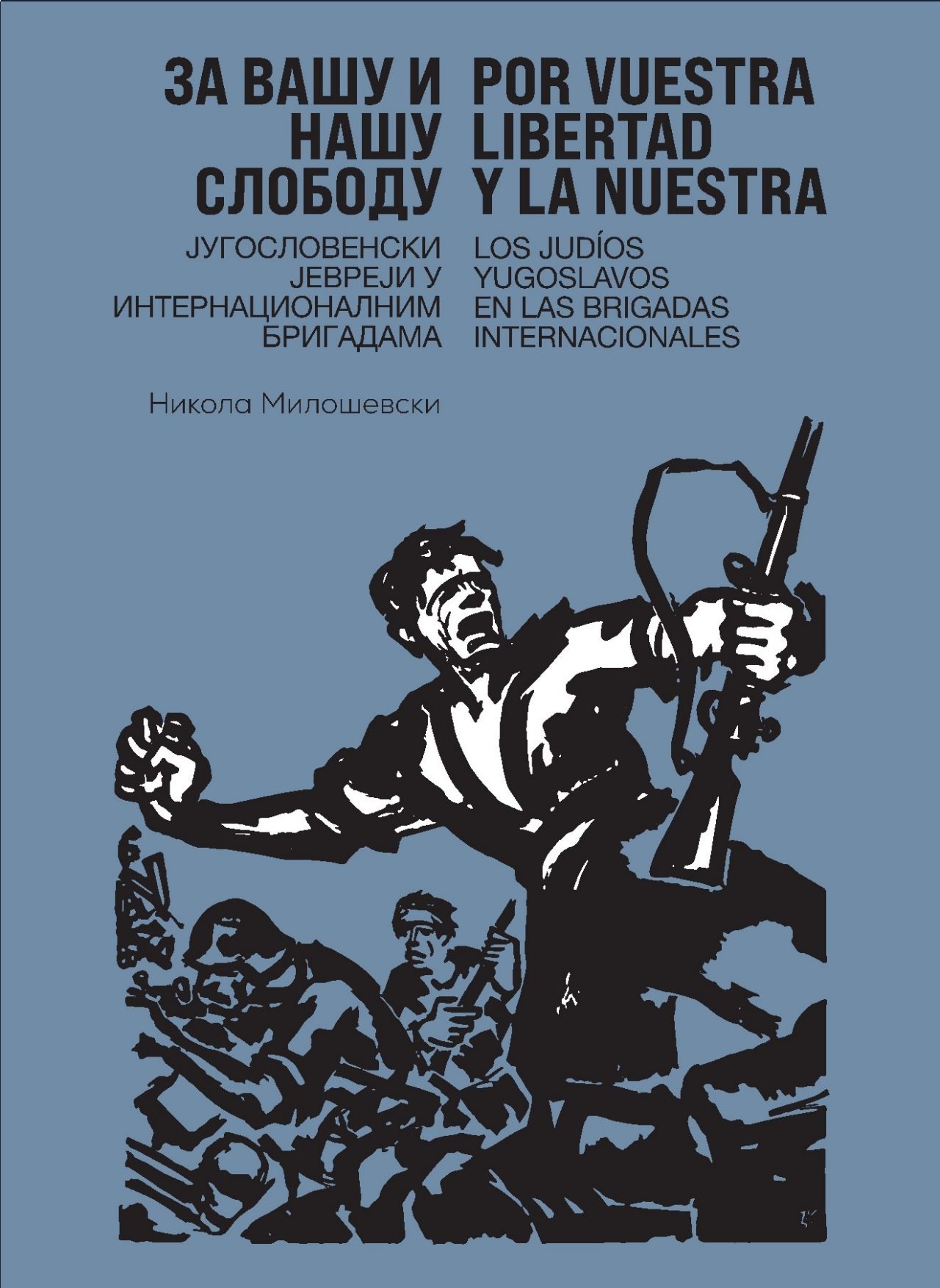
For your freedom and ours. Yugoslav Jews in the International Brigades
The publication of this book is the direct result of the exhibition held at the Cervantes Institute in Belgrade. An initiative that has successfully combined academic rigour with the necessary sensitivity to also recognize those who, from other parts of the world, fought for freedom and democracy in Spain, even at the cost of their own lives.
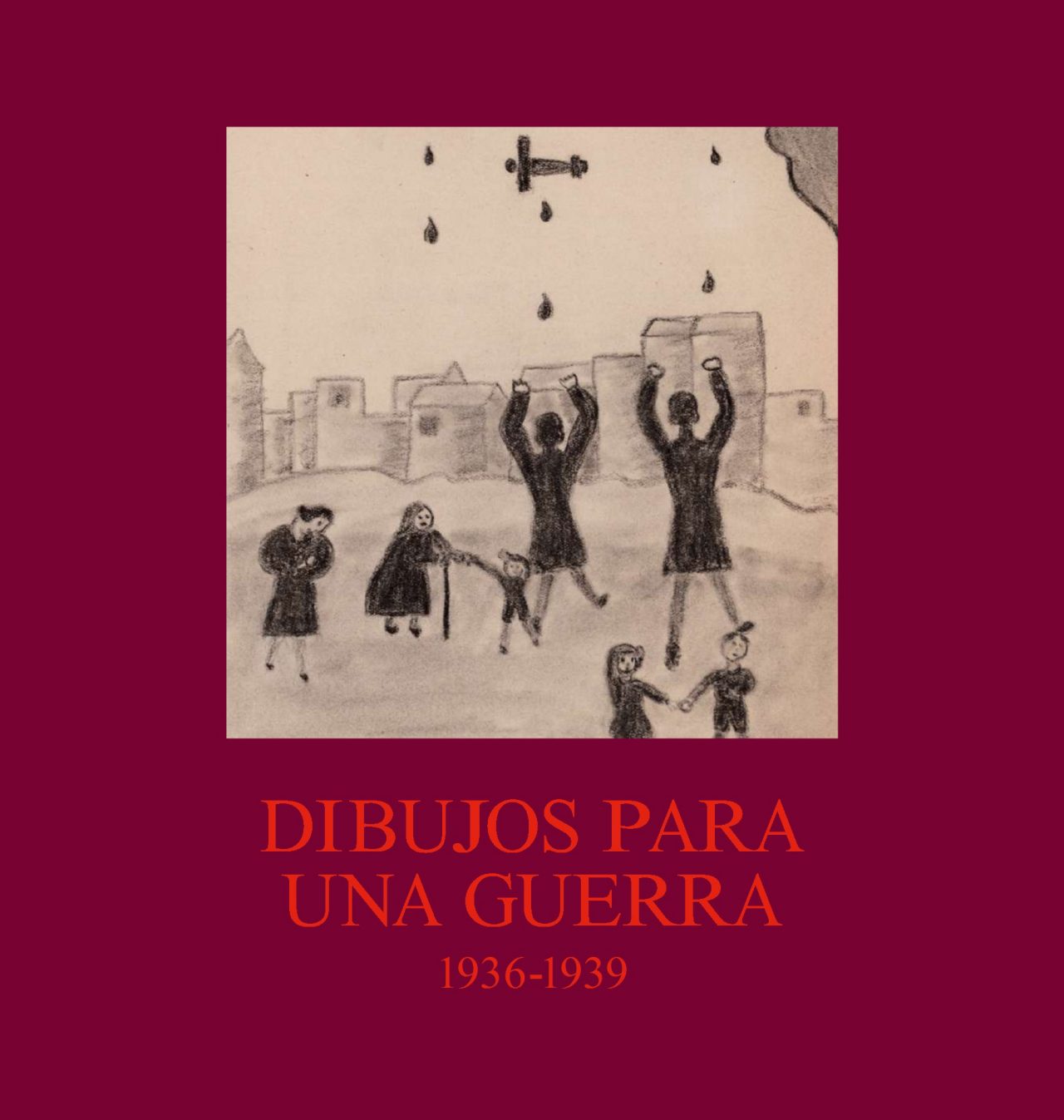
Drawings for a War. 1936-1939
Ninety years after the beginning of the Spanish War, this book —Drawings for a War— invites us to my rar, head on and without complacency, the face of that collective trauma that fractured the lives of millions of Spaniards. It does so through the purest eyes and vul nerables: those of the girls and boys who, pencil in hand, tried to understand the horror that surrounded them. In his drawings he beats the most sincere memory of a wounded country, a memory that does not yield to oblivion or indifference.
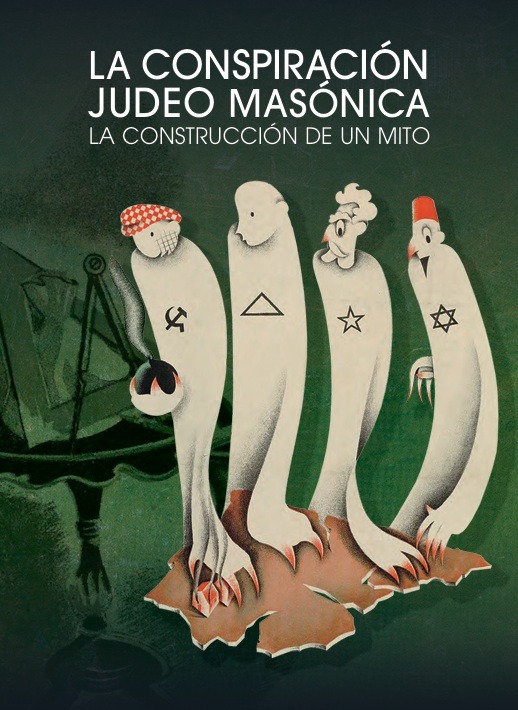
The Masonic Judeo conspiracy. The construction of a myth
The so-called “Judeo-Masonic-Comunis ta conspiracy”, the backbone of the Franco imaginary, was more than a persecutory fantasy: it was a device of power with real consequences on lives, liberties and bodies. Today, fifty years after Franco’s death and in the middle of the anniversary of our democratic journey, that construction of hatred challenges us again, so this exhibition is conceived as an invitation to look straight at the mechanisms that turned a lie into justification of State violence.
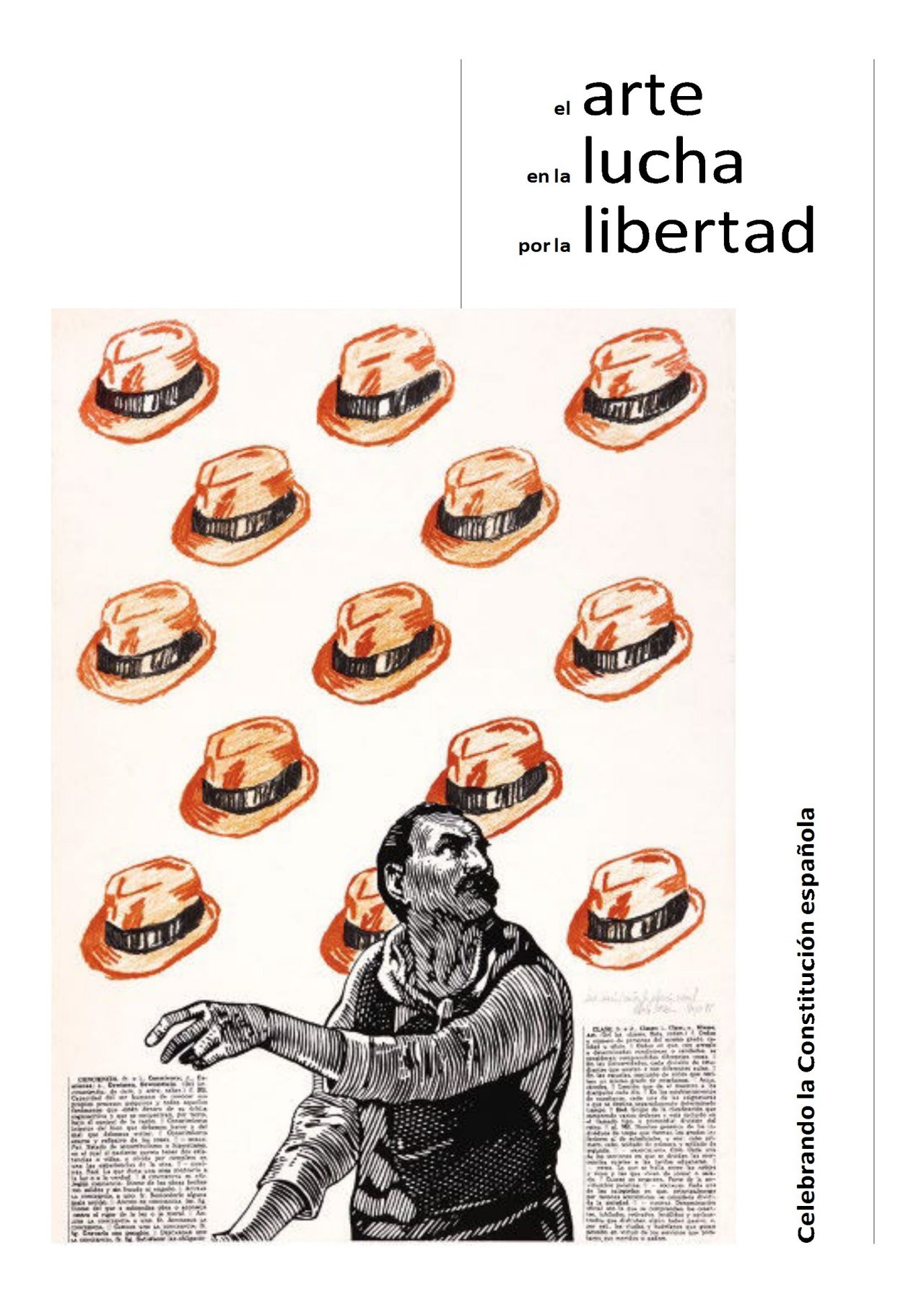
Art in the fight for freedom. Celebrating the Spanish Constitution
The exhibition “Art in the fight for freedom. Celebrating the Spanish Constitution” is a journey through the critical gaze that for decades of dictatorship sustained the resistance to totalitarianism through art and that, from a milestone of coexistence such as the 1978 Constitution, was able to shape the portrait of a new country, a country that premiered democracy and human rights.
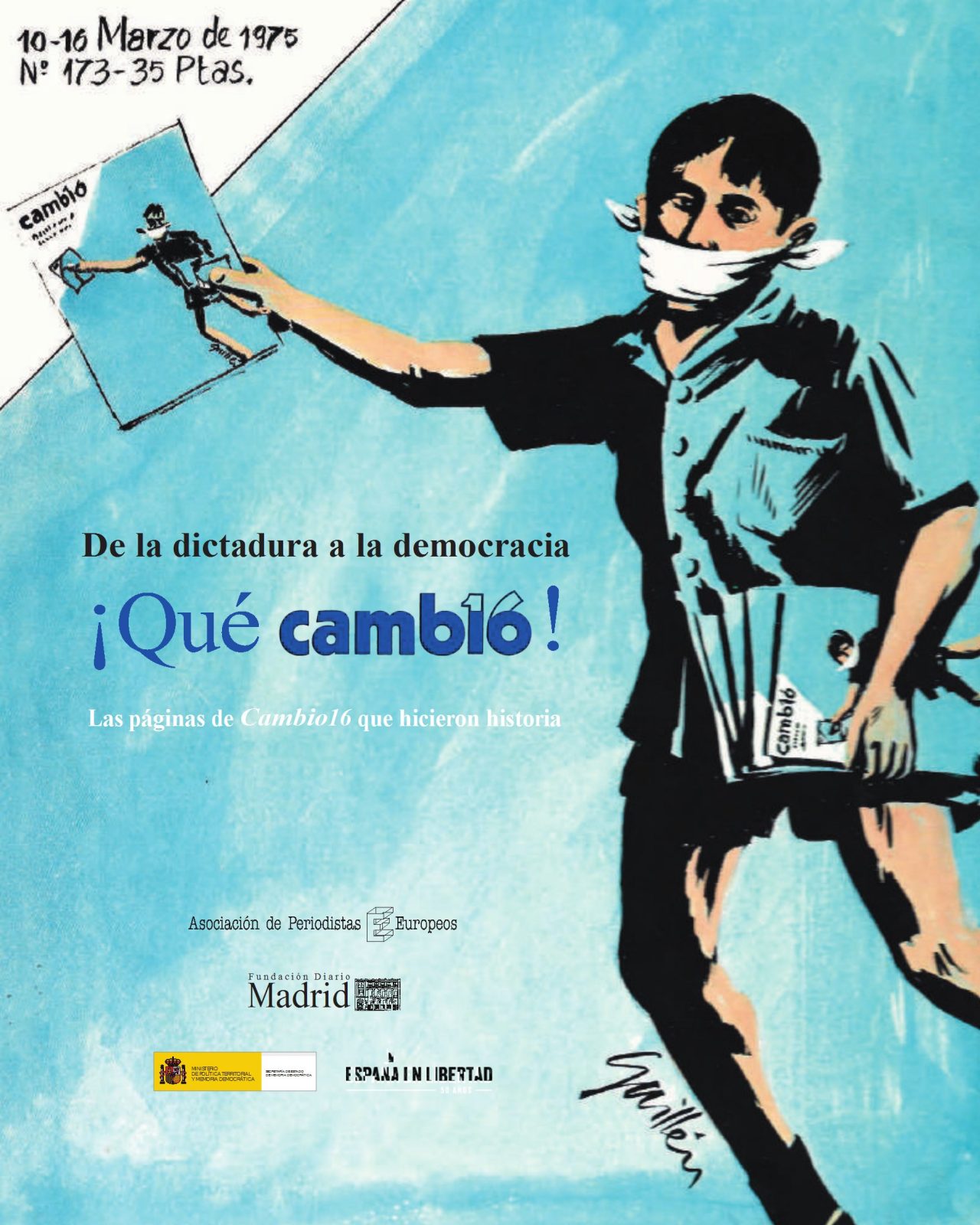
What a Camb16! : From dictatorship to democracy
Change16 was much more than a weekly. It was a trench without weapons, a platform of ideas when freely expressing one’s opinion could mean imprisonment, censorship or exile. Its pages narrated –and in many cases anticipated– the transition from a grey and fearful Spain to a plural society, alive and determined to look at itself without fear. Through its covers, chronicles, editorials and denunciations, Change16 helped cultivate a democratic conscience in broad sections of the population, giving words and images to a citizenry that needed to understand what was happening and find its own voice.
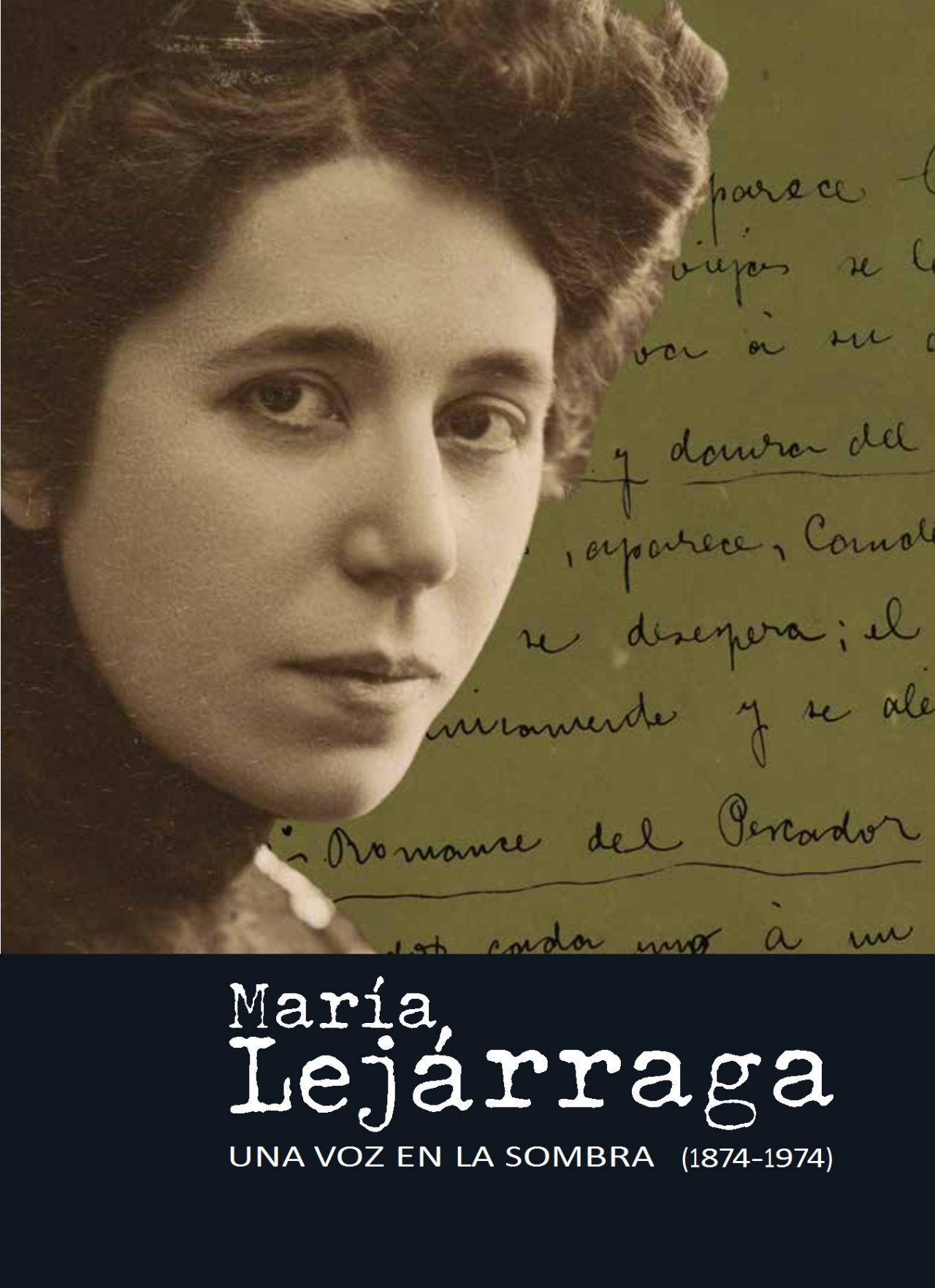
María Lejárraga: A Voice in the Shadow (1874-1974)
María de la O Lejárraga discovered very young that the theater was an impugnation of the impossible. Every day to be said and done on the boards of a stage. It was a thought as refreshing as it was challenging for a Spanish woman born in the last quarter of the 19th century. A young teacher, trained intellectually under the umbrella of the Free Educational Institution, transmitting values of equality and freedom that would emerge years later with the arrival in our country of the Second Republic and the access of women to full citizenship.
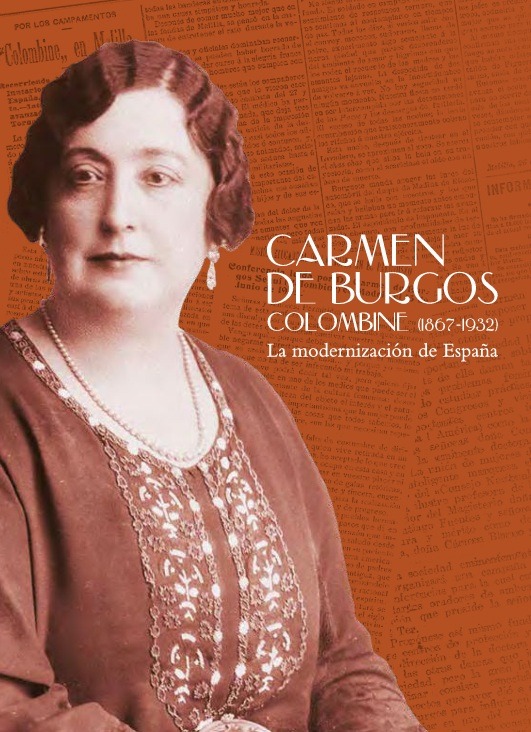
Carmen de Burgos, Colombine (1867 - 1932). The modernization of Spain
Writer, journalist, translator, biographer, tireless travel writer, war reporter, Carmen de Burgos was one of the first to open the way and publicly give values of justice and freedom, forbidden for women, which she, a teacher of training, always linked to education and a regenerationist ideology of which she was enthusiastic promoter.
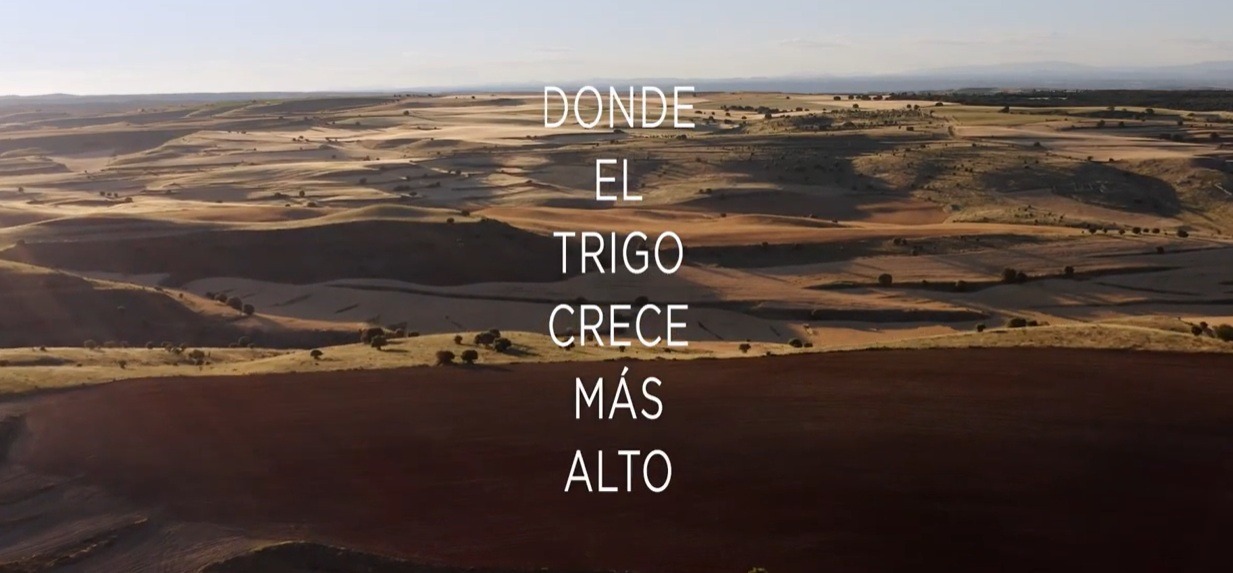
Where the wheat grows higher
Documentary made by the Secretary of State for Democratic Memory by the Spanish film director Pilar Pérez Solano in order to publicize the methodology used in exhumations, as foreseen in the I four-year plan of exhumations of victims of the Civil War and Franco’s regime