
- All the reductions contemplated represent a reduction in the tax base estimated at 8 million euros in the Community of Madrid
- The order provides for reductions for specific sectors of 50% in beekeeping and 30% in sheep and goat farming.
- Specific sectoral net return index reductions have been approved by autonomous communities, provinces and municipalities
- The decrease in net yield is maintained for farmers using feed purchased from third parties and for farmers who have used electricity for irrigation
The Official State Gazette (BOE) he has published today the order of the Ministry of Finance to reduce the net return rates in the system of objective estimation of the Personal Income Tax (PERSONAL INCOME TAX) of 2025, the so-called system of modules, for farmers and ranchers.
This order includes the proposal of Ministry of Agriculture, Fisheries and Food (MAPA) for the reduction of these indices, which has taken into account the effects of adverse exceptional circumstances that affected the profitability of many agricultural and livestock farms during 2025.
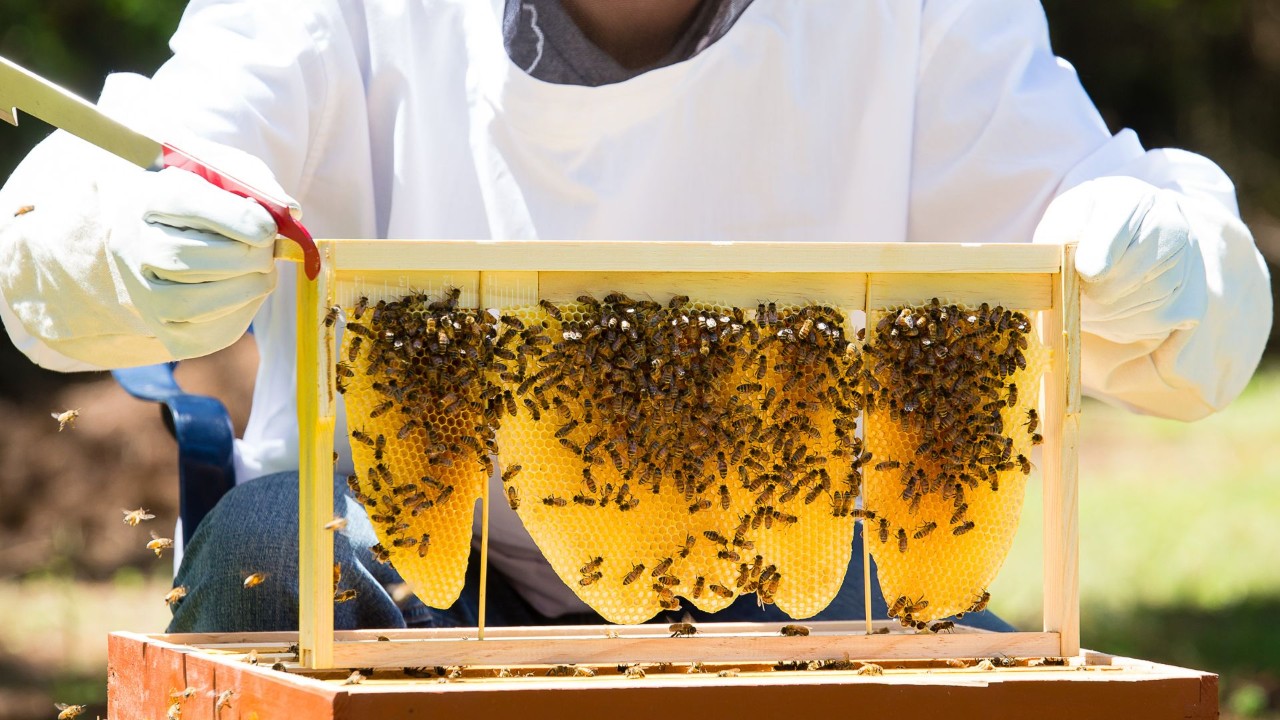
Certain sectors benefit from specific reductions, of 50% in the case of beekeeping, and of 30% in sheep and goats, both for meat and milk production.
As on other occasions, a large number of reductions have also been made at the regional, provincial or municipal level in other crops, including those approved for cereals, olive groves and vineyards in important production areas.
These deductions add to the overall 5% reduction in net yield for the approximately 800,000 farmers and ranchers who are taxed by the system of modules set out in the Regulation. order HAC/1347/2024 of 28 November.
In the Community of Madrid, the reduction in the tax base is estimated at eight million euros for approximately 24,500 farmers and ranchers who pay for the module system.
The reductions applied reflect the situations of climatic adversity of the year 2025, among which high temperatures, frost, pedriacs, winds, extreme rainfall and the succession of forest fires of the summer have stood out.
In addition, farmers and livestock farmers can benefit from other deductions such as the rate applicable to livestock activities that feed livestock with feed and other products purchased from third parties, which represent more than 50% of the amount consumed. The single index for all livestock sectors is 0.5.
A corrective coefficient for the use of electricity for irrigation is also applied, with a 25% reduction in the net yield extensible to all irrigation and not only to seasonal electricity consumption.
Likewise, the exemption from the income tax for the collection of the eco-regimes of the Common Agricultural Policy (CAP) is maintained.
In the Community of Madrid farmers and ranchers can benefit from the reductions established at national level, which are the following:
- Sheep and goat meat from 0.13 to 0.09
- Sheep and goat milk from 0.26 to 0.18
- Apiculture from 0.26 to 0.13
Additional reductions are also made in certain areas and crops at the municipal level:
- Poultry farming: in 1 municipality
- Cereals: in 10 municipalities
- Cereals: Oats in 2 municipalities
- Cereals: Cebada in 4 municipalities
- Cereals: Centeno in 4 municipalities
- Cereals: Common wheat in 5 municipalities
- Cereals: Triticale in 2 municipalities
- Forages: Alfalfa in 4 municipalities
- Legumes in 15 municipalities
- Legumes: Garbanzo in 5 municipalities
- Legumes: Peas grano in 1 municipality
- Legumes: Lentils in 3 municipalities
- Oilseeds in 1 municipality
- Oilseeds: Colza in 4 municipalities
- Olive products in 2 municipalities (fire)
- Horticultural products: Garlic in 4 municipalities
- Grape for wine with D.O. in 2 municipalities (fire)