
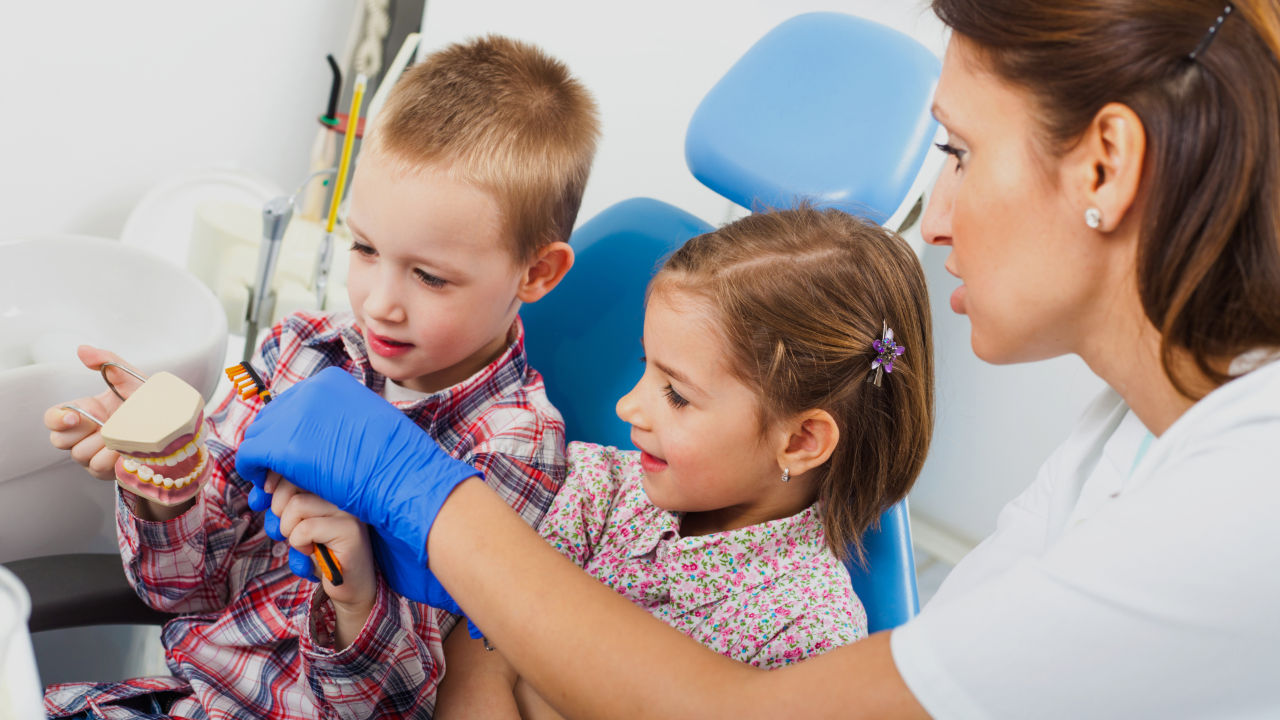
- The Council of Ministers authorizes the distribution to the autonomies of 60 million euros to expand the oral health portfolio.
- The plan reinforces equity in access to oral and dental services, with special attention to children and young people, pregnant women, people with disabilities and patients with cervicofacial oncological processes.
- In the last year, the coverage of oral care has reached 30.4% in the child and youth population and 25% in pregnant women, while the incorporation of people over 65 years old already records an initial coverage of close to 3%.
- The autonomous communities and INGESA must execute the funds until 2028 and send periodic information on the degree of execution and the coverage and activity indicators associated with the program.
The Government, on the proposal of the Ministry of Health, has approved to allocate 8,567,525 euros to the Community of Madrid for oral and dental health. The Council of Ministers has authorized the proposal for the distribution of credits managed by the autonomous communities and the National Institute of Health Management (INGESA) to promote the expansion of the common portfolio of oral health services in the National Health System (SNS), for a total amount of 60,058,000 euros.
The measure aims to continue increasing the coverage of oral care in the prioritized groups and begin the progressive incorporation of people over 65 years of age as a new group beneficiary of these benefits.
The World Health Organization estimates that more than 3.5 billion people suffer from oral diseases, being one of the most prevalent non-communicable diseases worldwide. In addition, numerous studies show the close relationship between the socioeconomic situation and the prevalence of these pathologies.
In Spain, the expansion of the common portfolio of oral and dental health services is part of the strategic lines agreed in the Interterritorial Council of the National Health System to strengthen equity in access to health benefits. The plan gives special priority to children and young people, pregnant women, people with disabilities and patients with cervicofacial oncological processes.
In the last year, this deployment has led to a coverage of 30.4% in the child and youth population (an increase of 5.2 points compared to the previous year) and 25% in the group of pregnant women. Likewise, after starting in 2025 the incorporation of those over 65 years of age, this group already has an initial coverage of close to 3%, a figure that is sought to boost with the new investment approved.
The approved agreement provides that 10% of the funds will be distributed according to the population weight of people over 65 years of age in each Autonomous Community and INGESA, while the remaining 90% will be used to consolidate the care in the groups already prioritized. Likewise, the distribution criteria incorporate variables weighted according to the different population groups attended, including children under 0 to 14 years of age, pregnant women, people with recognized disabilities equal to or greater than 33% and patients diagnosed with oncological processes of the cervicofacial territory.
The funds must be executed until 2028 and the autonomous communities and INGESA must send periodic information on the degree of execution and the indicators of coverage and activity associated with the program.
With this initiative, the Ministry of Health continues to make progress in the progressive expansion of public services aimed at improving prevention, early diagnosis and oral care, strengthening cohesion and territorial equity in the National Health System.