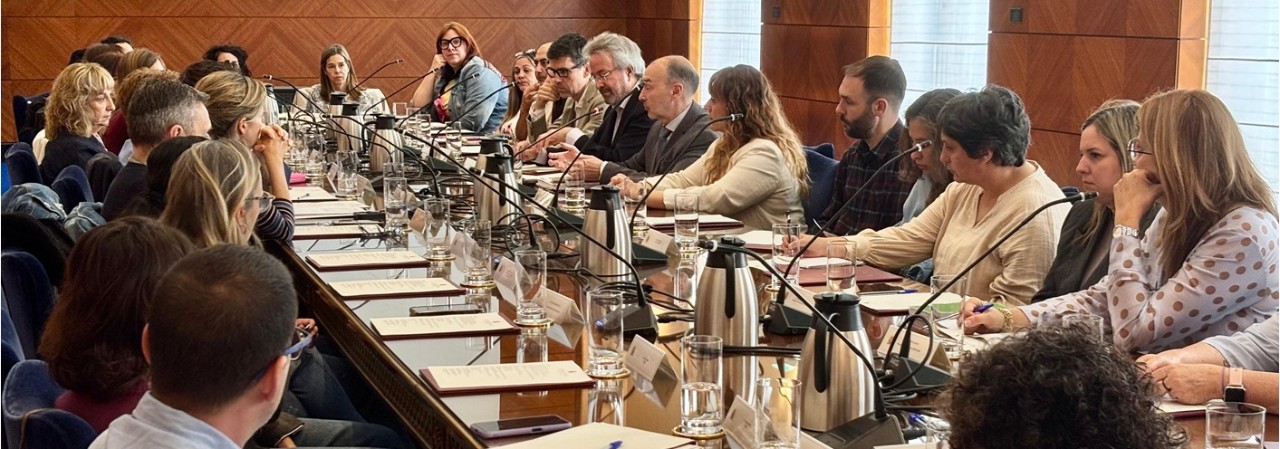
Zaragoza.- The Government of Spain met this morning at the headquarters of its Delegation in Zaragoza with the 18 entities that collaborate in Aragón with the process of extraordinary regularization of migrants. The meeting served to evaluate the first month of the process, detect incidents and collect proposals to speed up and improve the processing. The participating organizations have agreed to highlight the good pace of the initiative and have pointed out that the dissemination of hoaxes and the lack of initial collaboration of some municipalities have been the main difficulties detected during these first weeks.
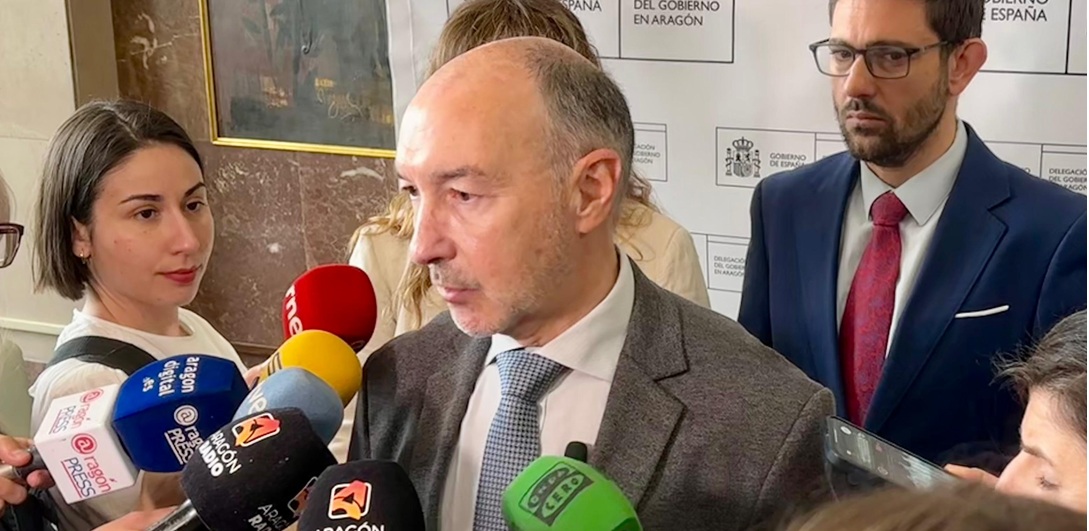
The delegate of the Government of Spain in Aragon, Fernando Beltrán, has thanked the “formidable work” of the entities registered in the registry informing, resolving doubts and helping with the processing to those who approach them. In Aragon, it is expected that it can benefit up to 17,000 people -500,000 in Spain-. “They are people who are already working and living with us and what they want is to have a dignified life. We want to give them rights and, of course, they are aware that they must comply with their obligations,” explained the delegate.
The entities have defended that this regularization – which is carried out normally – is “fair, necessary and beneficial”, especially in a context marked by a lack of manpower and a fall in the birth rate. In addition, they have confirmed that they are beginning to receive the first provisional resolutions.
During the meeting, the organizations warned that hoaxes and misinformation are one of the main stumbling blocks of this process, hindering the work of the entities and causing concern among migrants. “The main demand we are receiving is accompaniment and information because many people have been affected by hoaxes. This process is going to restore dignity to all these people who are already working here and who, through different hoaxes, believe that this can bring them more negative than positive consequences, when the opposite happens,” said Scarleth Castillo, of the Free Nicaragua Association and the Osta union.
For his part, Fernando Beltrán has recalled some of the main hoaxes disseminated about this regularization, such as that the beneficiaries would automatically obtain Spanish nationality, would have free movement throughout Europe, would generate a so-called effect or would collapse public services. “None of those statements is true. We are talking about residence and work permits valid only in Spain and aimed at people who already certify a previous stay in the country”, he stressed.
The delegate has also defended the positive impact of previous regularization processes. As he explained, in the last regularization carried out in Spain each regularized person contributed an average of 4,400 euros per year to the public coffers. “This strengthens Social Security and the pension system and, in addition, we are talking about people who, in general terms, do not generate a significant increase in health or social spending,” he said.
As for the applicant profiles, they are very varied. Carlos Vela, of ACCEM, explained that, in his case, the priority has been for asylum seekers who were already in their programs. “In these cases, they do not need the certificate of vulnerability because they have been applicants for international protection. Ex-users are also approaching,” he said.
The Delegation of the Government of Spain has collected the technical doubts of the entities to send them a response. The meeting held in the auditorium of the Delegation of the Government of Spain in Aragon was attended by CEPAIM, ACCEM, APIP-ACAM, Red Cross Aragon, Daughters of Charity of Saint Vincent de Paul, Fundación Cruz Blanca, YMCA, Fundación Ezequiel Moreno, Fundación Federico Ozanam, Asociación Juvenil Colectivo Sahrawi LEFRIG, Asociación Nicaragua Libre-Osta, SOS Refugees Europa, Fundación Diocesan El Trancesan, Cultural Association Jalapaz Alto