- In December 2025, the number of pensions amounted to 268,628, which is 5,104 more pensions than the previous year
- The amount of retirement pensions in that period was 2.8 billion euros
- The government delegate has reported that pensioners in the Region of Murcia begin to collect their payroll today with the 2.7% revaluation approved by the Government of Spain
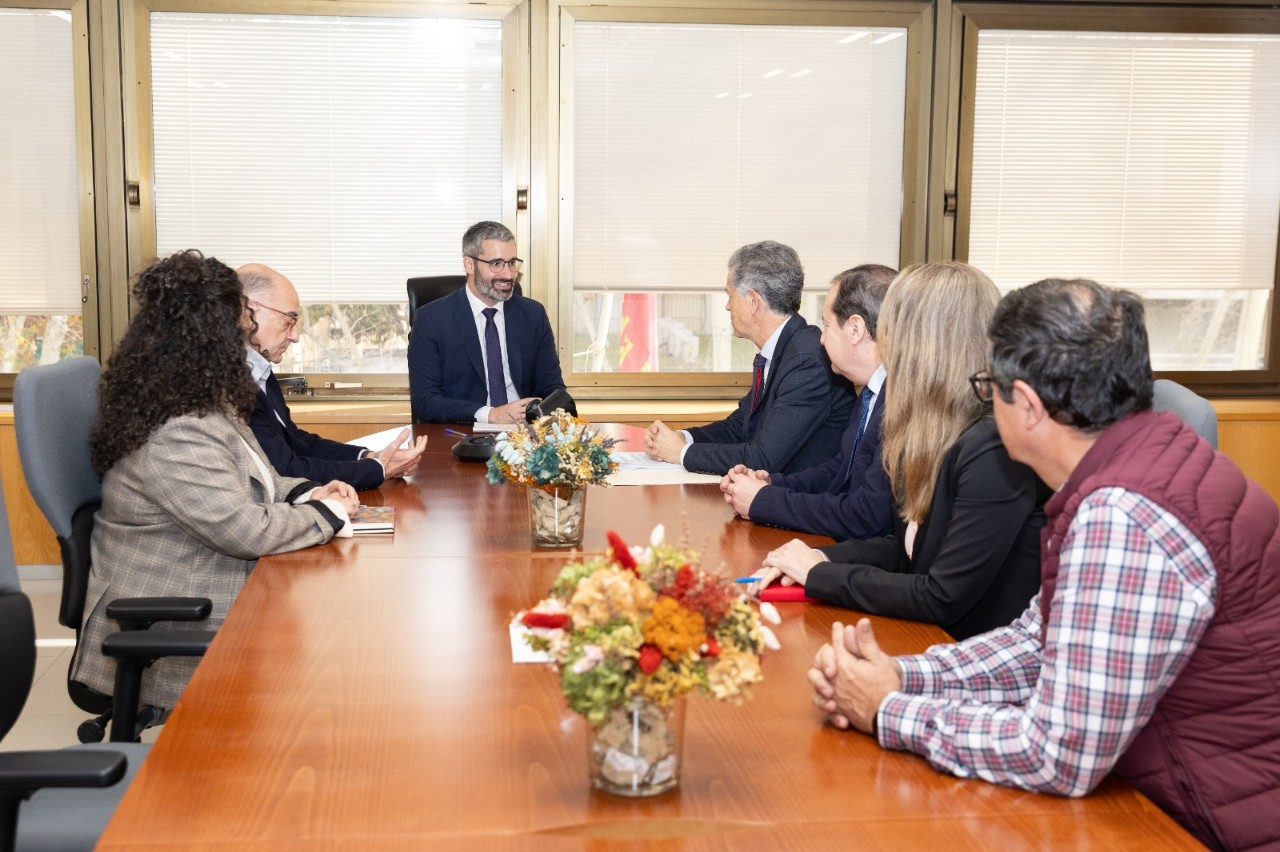
- During a visit to the provincial directorate, Lucas has indicated the strategic nature of the INSS as an entity that manages the highest budget of the Autonomous Community
- “The INSS has a direct and decisive impact on the stability of the regional economy and the well-being of hundreds of thousands of citizens of the Region of Murcia,” he said.
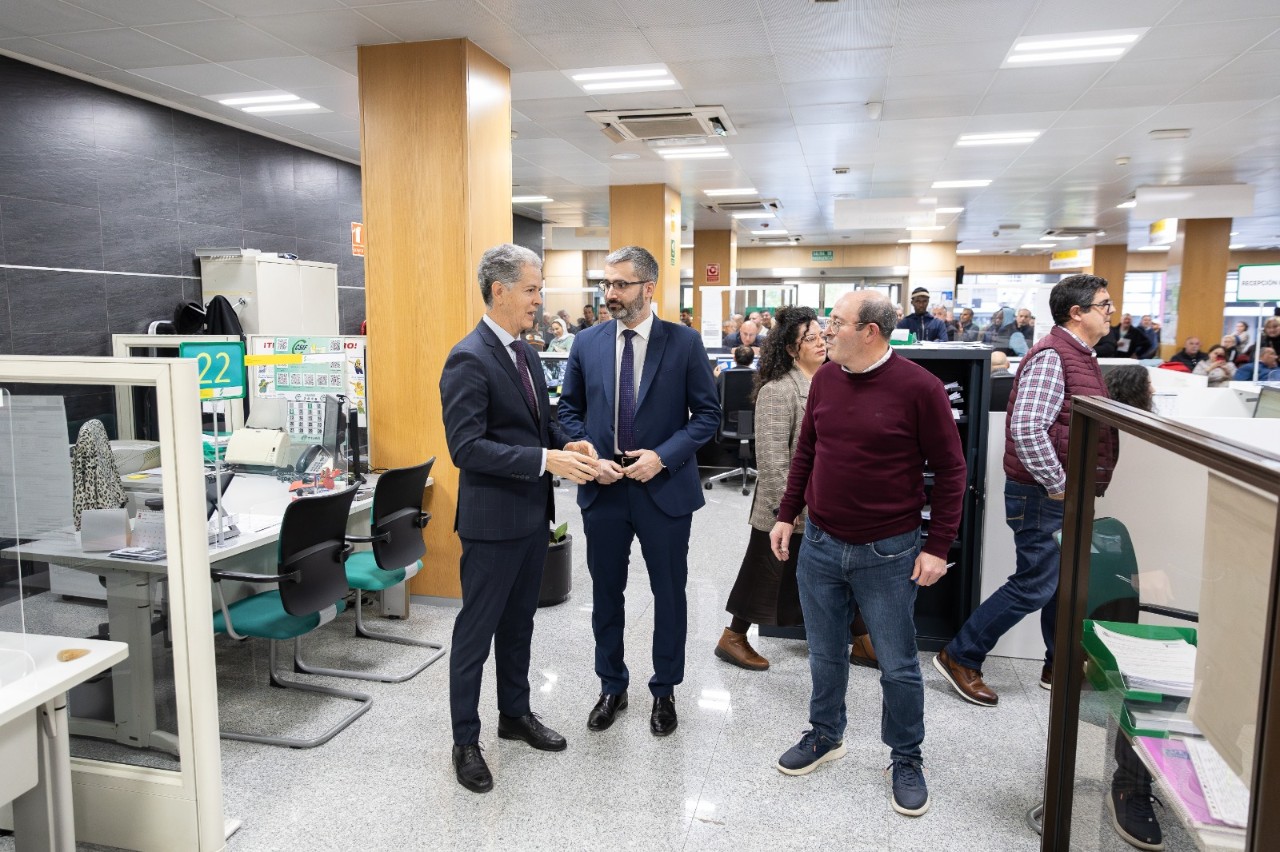
January 26, 2026. The government delegate visited this morning the Provincial Directorate of the National Institute of Social Security, where he reported that the state agency paid last year 4,330,529,151.13 euros in pensions and benefits in the Region of Murcia, which represents an increase of 7% and 282 million euros more than in 2024.
“The INSS is the entity that manages the highest budget of the Autonomous Community, and therefore, its work, its decisions and operations have a decisive impact on the well-being of hundreds of thousands of citizens of the Region of Murcia and on the stability of the regional economy itself,” said Francisco Lucas.
The government delegate recalled that all pensioners in the Region of Murcia are starting to collect their payroll today with the update corresponding to the 2.7% revaluation approved by the Government of Spain for 2026.
“With this revaluation, the average retirement pension in the Region of Murcia stands at 1,400 euros per month, 422 euros more than in 2018. Other benefits, such as the Minimum Vital Income or non-contributory pensions, increase by 11.4%. And others, such as SOVI old age and disability pensions, are revalued by 7.07%,” added Lucas.
The government delegate, who was accompanied by José Antonio Morales, provincial director of the agency, stressed that the INSS is a fundamental pillar of the welfare state in the Region of Murcia, since it guarantees the social and economic protection of citizens in fundamental aspects such as the promotion of equality or the fight against poverty.
In this regard, Lucas has detailed that 29,910 pensioners (20,184 women and 9,726 men) from the Region of Murcia, receive the maternity supplement, with an average monthly amount of 86.39 €. In addition, the supplement for the reduction of the gender gap is paid to 35,895 pensioners (26,964 women and 8,931 men), with an average monthly amount of 82.93 €.
Minimum Vital Income
Lucas has insisted that one of the greatest challenges of the welfare state is to achieve a country without extreme poverty and the protection of children and more vulnerable groups, and has claimed the importance of Minimum Vital Income as the most powerful tool to combat poverty and promote social inclusion.
Since the current Government of Spain implemented the Minimum Vital Income in June 2020 and until today, more than 18,400 million euros have been paid nationwide, and in the Region of Murcia 706,501,696 euros have been paid. The December payroll amounted to 16,901,788 euros.
In the same month, the number of beneficiaries was 129,609, and in addition, 29,574 have received child protection assistance.
On the other hand, the government delegate has congratulated the 324 public servants who are staff of the Provincial Directorate of the INSS in the Region of Murcia, since, according to him, the efficient management of this huge amount of economic resources requires methodical and committed work and a service of attention to the modern public, accessible and that is equal to the expectations of the citizens.
In 2025 alone, the INSS has served 209,375 people thanks to a profound modernization process to improve the citizen’s experience in their relationship with Social Security, combining face-to-face care with powerful digital tools.
Among these improvements, the implementation of a system of notices to inform about key milestones in the processing of benefits, or the acceleration of birth procedures, which allows the right to health care of the newborn directly from the hospital, are particularly relevant.
For his part, José Antonio Morales has highlighted the success of the collaboration protocols signed with the municipalities and social affairs areas, “which have made us the province that covers the largest percentage of the population under these agreements, reaching more than 96%.”
The INSS has a network of ten Social Security Care and Information Centers (CAISS), strategically located in the towns of Murcia, Cartagena, Lorca, Totana, Yecla, Jumilla, Cieza, Caravaca de la Cruz, Molina de Segura and Mula.