
The Government has approved, through the Tourism Sector Conference, the implementation in Cantabria of five projects benefiting from the third extraordinary call for the Destination Tourism Sustainability Plans 2023 program, financed entirely with funds from the Recovery, Transformation and Resilience Plan.
Cantabria will receive 13.5 million euros for the development of projects approved in the region. In total, the Government will invest 478 million euros of NextGenerationEU funds in the 175 tourism sustainability projects approved this Tuesday at the meeting chaired by the Minister of Industry, Tourism and Trade, Héctor Gómez.
At the Sectoral Conference on Tourism, 175 projects have been definitively approved, of which 160 will be managed by local entities and 15 correspond to cohesion actions that will be developed by the Autonomous Communities, but which will also impact on destinations.
By type of destination, 75 corresponds to rural destination with tourist identity, 34 to tourist destinations of sun and mixed/residential beach, 21 to cities with tourist identity, 11 to sun and beach destinations very internationalized, 8 to urban tourist destinations and the rest to coastal rural destinations (5), natural spaces (5), and large urban destination (1).
The extraordinary program of Destination Tourism Sustainability Plans had for this 2023 a budget of 444,500,000 euros, which is completed with the 33,500,000 euros reserved to the plans that have as their identifying element actions related to the National Plan of Blue/Sun and Beach Tourism 2023. In total, the actions add up to an investment of 478,000,000 euros.
These are the five tourism sustainability projects approved in Cantabria:
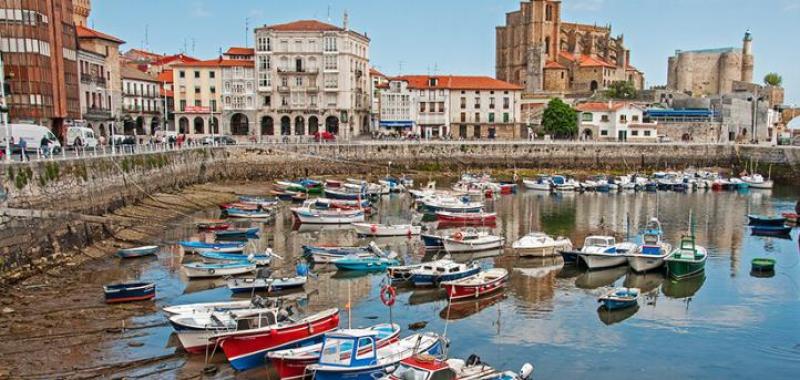
Castro Urdiales (City Hall): The plan aims at a transformation and revitalization of the tourist destination of Castro Urdiales through an integration in its offer of sustainable aspects in environmental, socio-economic and territorial matters. The improvement of the destination through this plan seeks to have a rich and varied offer that allows to know and put the value of the about 100 km2 of the territory, among others, to highlight the tourism of Cuevas or the mining heritage so linked to the historical evolution and configuration of the identity of the castor society and in this way it is planned to incorporate nearby areas with remarkable tourist resources.
Medio Cudeyo (Town Hall): The plan has as its central objective to promote, create and implement a sustainable and quality tourism development based on the natural, historical and cultural values of the municipality of Medio Cudeyo. The empowerment of different tourist assets, such as the sustainable use of Peña Cabarga or Pico Castillo (altomedieval site declared BIC), as well as the development of inland tourism in more rural environments aims to achieve a higher quality tourist activity based on experience and contact with the natural and everyday.
Santillana del Mar (City Council): The plan aims to dynamize the socio-productive fabric, favor the generation of employment and the seasonalization of tourism activity, improving the professional qualification of the sector, its competitiveness, as well as facilitate the development of new economic activities and the promotion of entrepreneurship, energy efficiency, as well as digitalization and competitiveness.
Valderredible (Town Hall): The aim is to create and implement a sustainable and quality tourism development based on the protection and preservation of the traditional rural identity of Valderredible. It aims to develop a sustainable and alternative tourism model for the coming years that protects, conserves and promotes the richness of its natural, cultural and historical heritage that allows its value and its seasonalization.
Los Valles (Community): The plan aims to diversify the economy of Los Valles with sustainable tourism development, so that the local population has more employment and wealth options, which in turn prevents depopulation. It aims to create a natural-patrimonial destination, on the border of Cantabria that promotes local culture, values its products, protects natural resources and biodiversity and mitigates the progressive aging and loss of population.