
- In addition to carrying out analyses, the laboratory participates in different national control commissions for products such as milk, cereals or legumes in grain and patents.
- Throughout this year the laboratory has processed 3,007 samples of agri-food products
The Ministry of Agriculture, Fisheries and Food commemorates today the 50th anniversary of the Santander agri-food laboratory, which in this time has evolved to adapt to both the needs of the sector and technological advances, and has become a benchmark in food quality control.
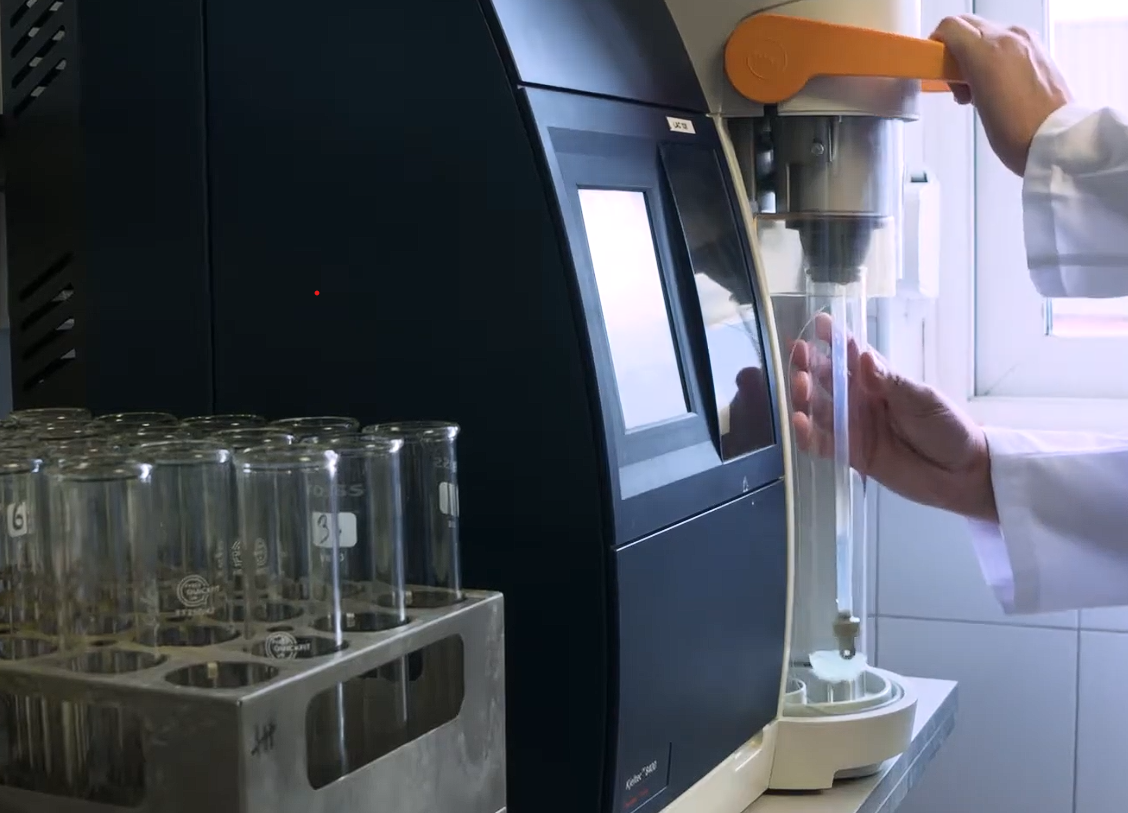
The diverse activity of the laboratory, attached to the general direction of Food includes the analysis of milk and dairy products, cereals, oilseeds and products as emblematic in Cantabria as the preserves of anchovy and sobaos. In 2025 alone, this laboratory has processed 3,007 samples, of which results have been issued for a total of 12,249 determinations.
It highlights its important contribution in agronomic value studies, especially through the analysis of grain quality parameters (cereals, legumes and oilseeds), in collaboration with the Spanish Office of Plant Varieties.
As a National Reference Laboratory, it has coordinated 10 intercomparison tests and participated in another 27, a prerequisite for maintaining its accreditation to the National Accreditation Body (ENAC) in accordance with ISO 17025.
In recent years, in addition, the center has played a relevant role as the venue of the Food of Spain award for the best cheeses, where the jury carries out the analytical and sensory evaluation of the samples presented.
The activity of the Agrifood Laboratory of Santander extends beyond the analysis and actively participates in the national commissions of milk control, of cereals, of oilseeds, of fodder, of patents, of cepitoses, and of grain legumes.
To commemorate the 50th anniversary of the center, an institutional visit was held in which the Secretary General of Agricultural Resources and Food Security, Ana Rodríguez, and the Director General of Fisheries and Food of Cantabria, Paulino San Emeterio Pila, participated.
The participants have been able to know the activities developed to date and those planned in the short term for the improvement of the laboratory. Among them, the empowerment of the biotechnology department stands out, with the incorporation of new equipment and the implementation of techniques for the identification of animal species in different matrices of food origin, as well as their quantification. This empowerment will be accompanied by the incorporation of five new officials.